
Types of timber used in Australian roofing construction
An overview of the main timber types used for roof framing in Australia — MGP10 treated pine, F17 hardwood, LVL, glulam and CLT. Compare grades, structural performance and typical applications so you can match the right material to rafters, ceiling joists, ridge beams and exposed framing.
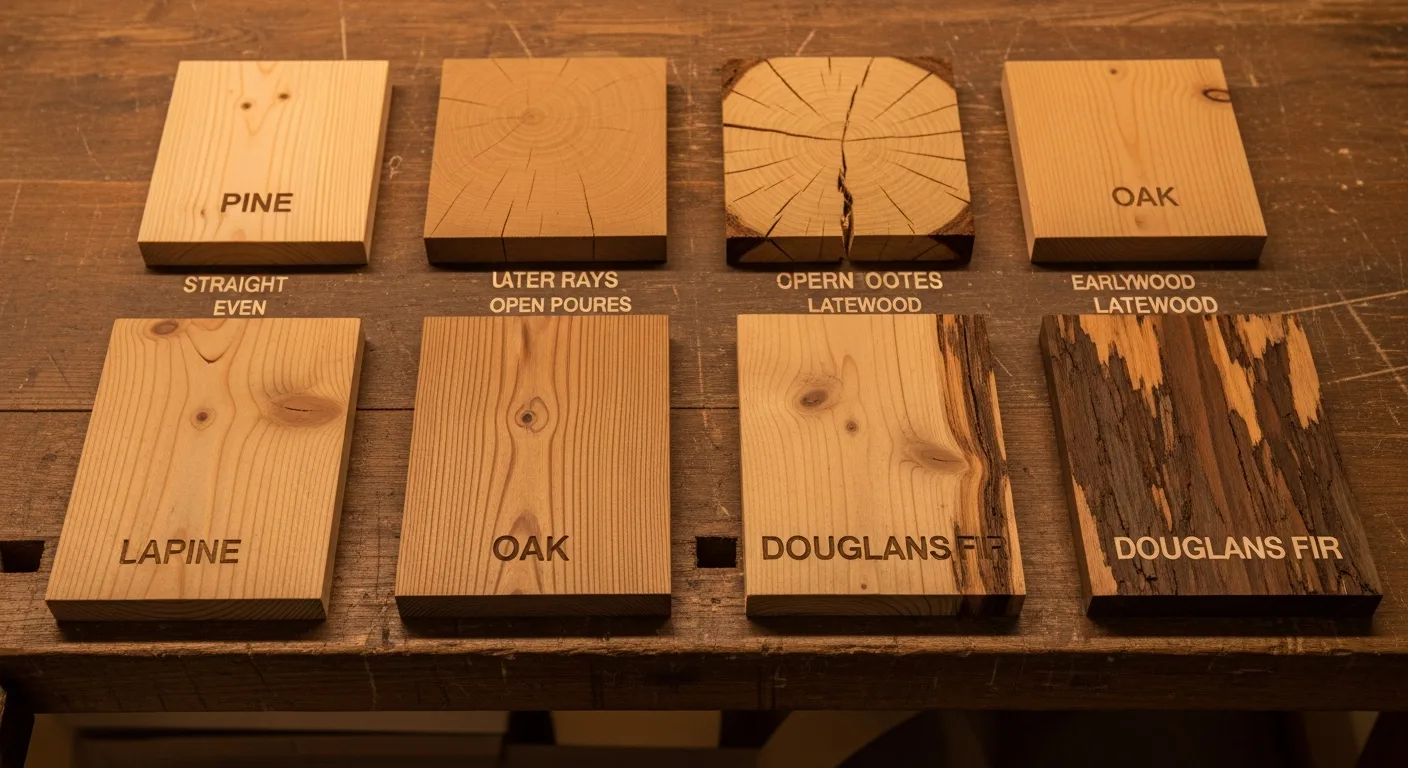
Quick Overview
Softwood Timber
Derived from coniferous trees like pine, spruce, and fir.
Engineered Timber
Manufactured wood products like LVL (Laminated Veneer Lumber), glulam, and I-joists.
Treated Timber
Wood that has been chemically treated to resist decay, insects, and moisture.
Mass Timber
Large-scale engineered wood products like CLT (Cross-Laminated Timber) and NLT (Nail-Laminated Timber).
Softwood Timber
Derived from coniferous trees like pine, spruce, and fir. Softwood is widely available, cost-effective, and easy to work with, making it a popular choice for residential roofing applications.
Advantages
- Cost-effective
- Readily available
- Easy to cut and shape
- Good strength-to-weight ratio
- Sustainable when sourced responsibly
Considerations
- Less durable than hardwood
- Susceptible to moisture damage
- May require treatment for outdoor use
- Can be prone to warping
Best For
Engineered Timber
Manufactured wood products like LVL (Laminated Veneer Lumber), glulam, and I-joists. These offer superior strength and dimensional stability compared to solid timber.
Advantages
- Consistent quality
- Higher strength ratings
- Less prone to warping
- Longer spans possible
- Efficient use of wood resources
Considerations
- Higher initial cost
- Requires specialized fasteners
- Less traditional appearance
- May have glue concerns for some
Best For
Treated Timber
Wood that has been chemically treated to resist decay, insects, and moisture. Essential for exposed or high-moisture roofing applications.
Advantages
- Excellent moisture resistance
- Insect and rot resistant
- Extended lifespan
- Suitable for exterior use
- Can use lower-cost wood species
Considerations
- Chemical treatment concerns
- Special handling required
- May affect finishes
- Higher cost than untreated
Best For
Mass Timber
Large-scale engineered wood products like CLT (Cross-Laminated Timber) and NLT (Nail-Laminated Timber). Used for major structural elements in modern construction.
Advantages
- Carbon sequestration
- Rapid construction
- Excellent fire performance
- Aesthetic appeal
- Structural efficiency
Considerations
- High upfront cost
- Specialized design required
- Limited local availability
- Needs crane installation
Best For
At a Glance Comparison
| Timber Type | Cost | Durability | Sustainability | Best Use |
|---|---|---|---|---|
| Softwood | Low-Moderate | Moderate | High | Residential |
| Engineered | Moderate-High | High | High | Commercial |
| Treated | Moderate | High | Moderate | Coastal/Humid |
| Mass Timber | High | Very High | Very High | Large Projects |
Handy tools for choosing and checking timber
Before you commit to a species or grade, check its moisture content and run your roof maths. These are the tools builders rely on.
As an Amazon Associate, RoofingTimber.com earns from qualifying purchases. Links to products are affiliate links — we may earn a small commission at no extra cost to you.
General Tools MMD4E Wood Moisture Meter
Check timber moisture content before you build — high moisture is the #1 cause of shrinkage, cupping and splits in roof framing.
View on AmazonConstruction Master Pro Calculator (4065)
Works in feet-inches and metric, solves rafter lengths, rise/run, angles and stair layouts. A framer's favourite for roof maths.
View on Amazon